All You Need to Know About Chicago Pizza, Pour + Explore Bordeaux Blends, Tastes of ZinEx, A Decent Serving of Half a Glass and More in This Edition of Woody’s Whine!
by Woody Mosgers
woodywine@aol.com
Writing from the edge of the Russian River in Sonoma County
The Ultimate Guide to Chicago’s Big Pizzas: Deep-Dish, Pan and Stuffed
I came across this rather well researched story by Block Club Chicago, an independent news reporting agency that operates on the neighborhood level in Chicago as well as other cities.
“Oh deep dish pizza”, is the most common response when people learn we’re from Chicago, oddly enough they also mention the architectural boat tour on the Chicago River, go if you haven’t.
Deep-Dish
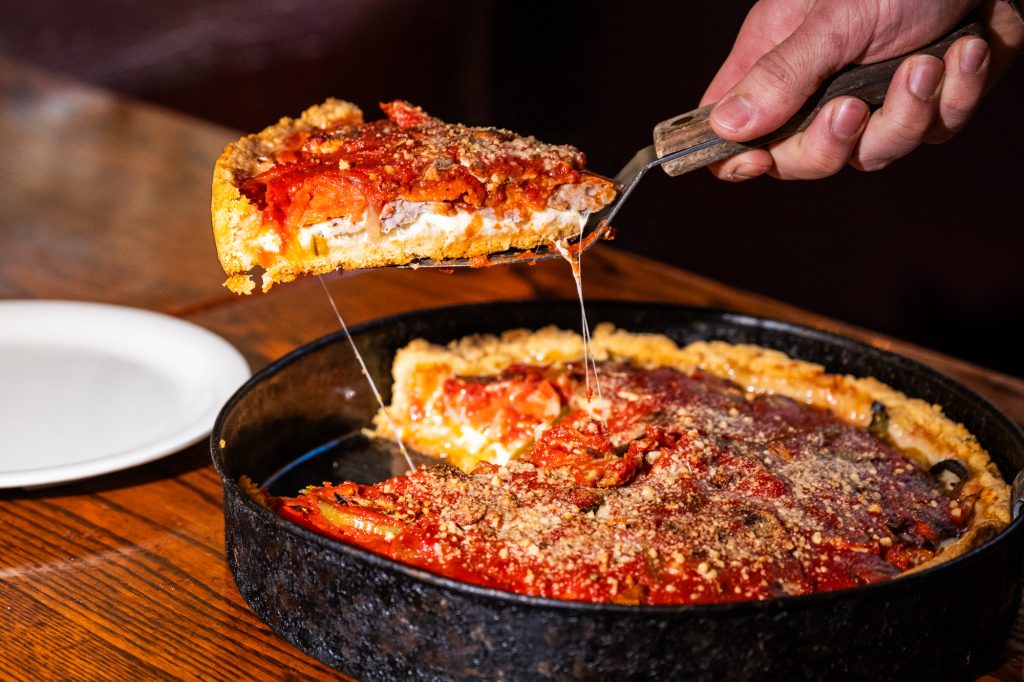
Having lived in the region for 68 years prior to our move I’ve had my share of the deep dish and must admit it can be tasty, but we came to like the more modest style offered by the Lou Malnati’s folks. I grew up on thin crust Aurelio’s Pizza in south suburban Homewood that’s still there and doing just fine, thank you.
Deep-dish pizza, created at Pizzeria Uno in 1943 and tweaked in the decades following, occupies a unique spot in Chicago’s psyche. It’s a hit of pure cheese-and-tomato dopamine, especially in the frigid months. It’s also a love/hate kind of thing and I bet with the amount of cheese, sausage and crust it’s rather pricey.
The thing is, though the restaurant itself boasts its home to “the best deep-dish pizza in Chicago,” It’s different from what you’d get at Uno, Lou Malnati’s or Gino’s East. And those pizzas are distinct from the stuffed pizzas from Nancy’s and Giordano’s and that are often what non-Chicagoans think of as deep-dish.
There’s a case to be made that Chicago has failed to showcase and celebrate our place as the king of heavyweight pies because – “Real Chicagoans don’t eat deep dish!” goes the refrain on social media. “We’re a tavern-cut town!” But can that be entirely true in a city with a deep and proud local pizza culture that manages to support scores of deep-dish pizzerias even outside of tourist season?
Everything starts with the 1943 founding of Pizzeria Uno, 29 E. Ohio St., originally known as “The Pizzeria.”
The pizzas were modest in size but grew heftier and bakes grew longer over the years because of customer preferences. Today we’ve got inch-high side crusts, sliced cheese, sausage discs and 40-plus-minute bake times.
Today’s deep-dish pizza starts with a dough, typically made with olive or corn oil or both, proofed overnight and pressed into a 2-inch-deep oiled pan. The dough is topped with sliced, not shredded, whole-milk mozzarella cheese, meats or additional accompaniments, an uncooked seasoned tomato sauce and grated Parmesan cheese applied post-bake.
Rachel Mihich is the general manager of Pizzeria Due. “Everything, except for chicken, goes onto the pizza uncooked and bakes in our deck ovens for 45 minutes.”
“People sometimes offer why they’re here, or why they’re trying deep-dish even though they’re from out of town, or even though they prefer thin-crust pizza,” said Mihich, who previously worked at Uno. “Hearing those thoughts is just part of being in hospitality. But I’d say, of the people who come in for their first deep-dish experience, nine out of 10 really enjoy having their first one.”
Pan Pizza
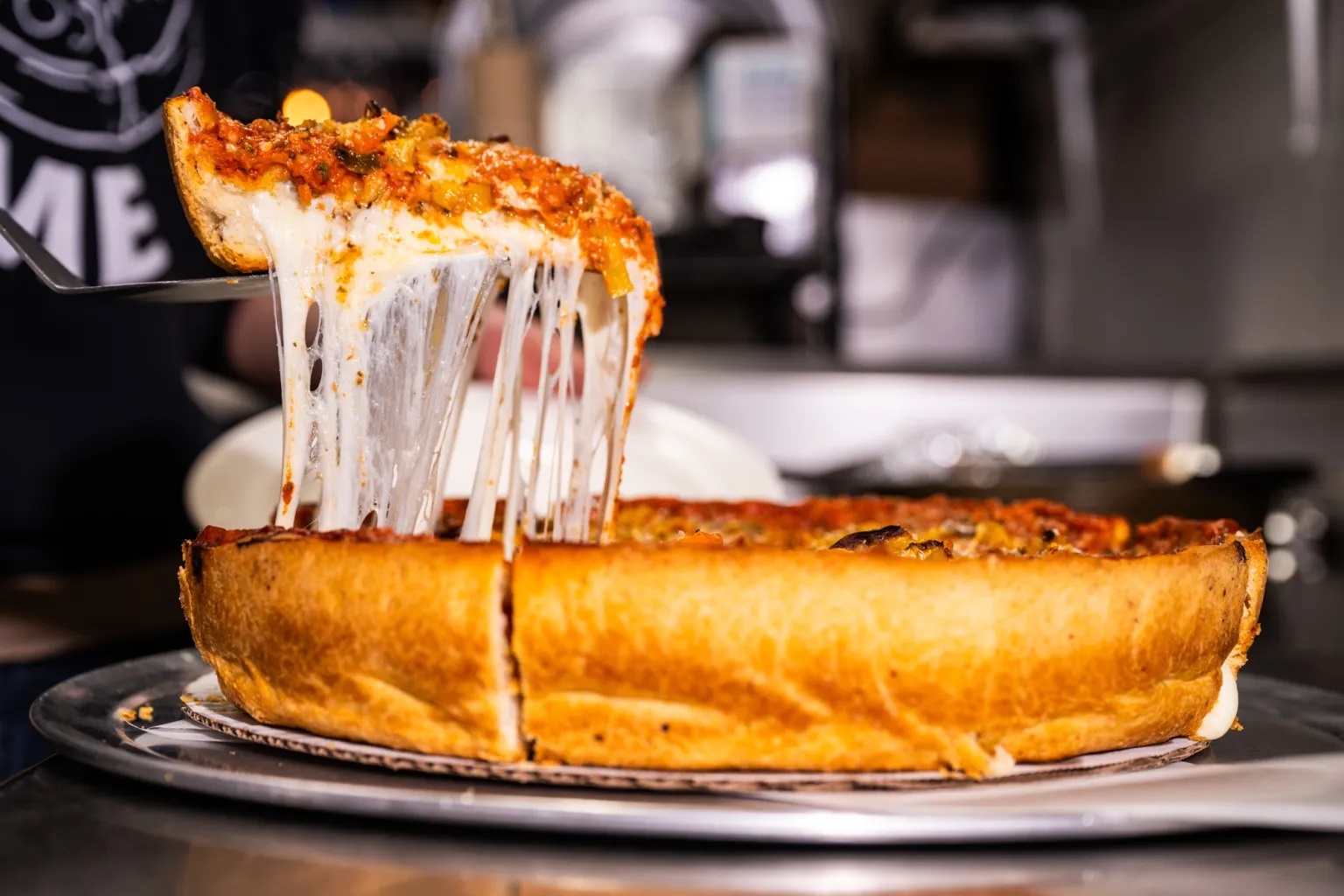
Pan pizza lounges on a soft, bubbly throne more like bread, said Robert Maleski of Milly’s Pizza in the Pan in West Town “What I do for my crust, as opposed to a deep-dish place, is a lot more like bread making,” Maleski said. “It’s one reason I like this pizza so much.”
Maleski makes dough daily at his two Milly’s locations, starting with a poolish, a pre-ferment of equal parts water and flour that improves the texture and taste of the dough. He gently mixes that into bread flour dough to let gluten form slowly over time, leading to a notable fermentation character.
Deep-pan pizza is attributed to legendary Chicago-area pizza maker and iconoclast Burt Katz of Burt’s Place in Morton Grove (YUM!). Katz developed the style at a handful of restaurants in fits and starts over a 50-plus year pizza career and considered his pan pizza a different style from the Uno’s-lineage deep-dish.
Stuffed
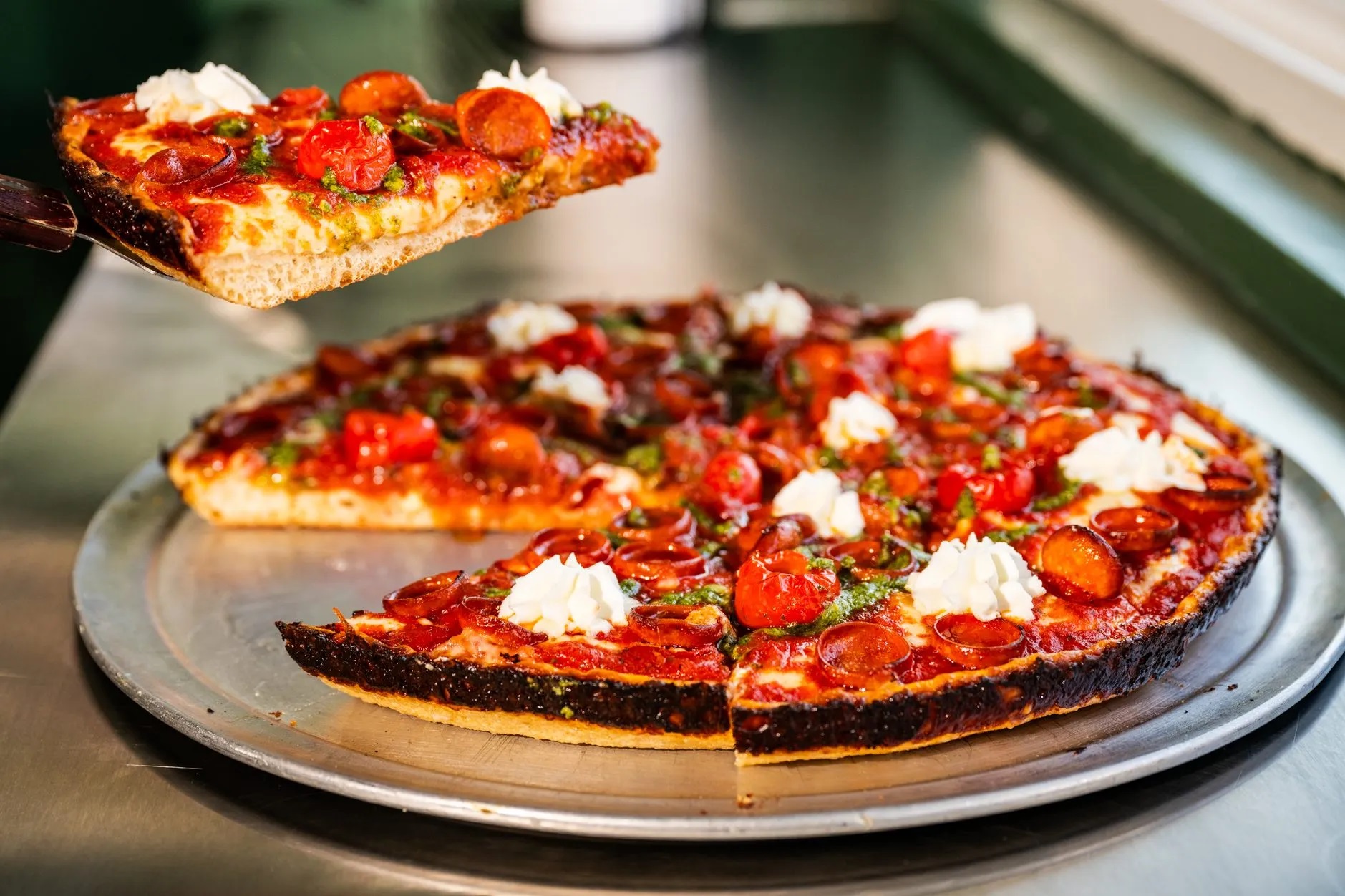
Stuffed pizza features a thick bottom layer of sheeted dough that holds shredded mozzarella — typically a mix of whole-milk and part-skim, for the former’s richness and the latter’s cheese pull — and any toppings before a second, much-thinner dough is placed atop and vented with small cuts.
Stuffed pizza was popularized by dueling producers Nancy’s Pizzeria and Giordano’s, both founded in 1974 and both crediting a savory Italian Easter pie known as scarciedda or pizza rustica as their original inspiration.
Why the additional crust?
“You want a slice to hold together, and you want to be able to cut the pizza for takeout and delivery without it becoming a mess,” Zamudio said. “That second dough layer keeps everything distinct and together.”
Even with stuffed pizza’s greater-than-deep-dish proportions — a pound and a half of cheese in a 12-inch pizza, and a half-pound more for each size up, Zamudio said — one slice can showcase topping balance, flavor and even bready fermentation character.
Shredded cheese melts better in large quantities, according to Giordano’s corporate executive chef Jesse Harris, who uses nearly a pound of mozzarella in each 10-inch stuffed pizza. “The slight aeration in the cheese in the middle allows it to melt more evenly.”
“We’re on the South Side (Of Chicago) people like size, they like cheese, they like big portions.

Bordeaux Wine Tasting at Rodney Strong Vineyards
The Sonoma County Vintners kicked off their returning series – Pour + Explore tastings that focus on a particular wine grape or style, with an event at Rodney Strong Wine Estates in Healdsburg featuring Bordeaux Varietals.
The event demonstrated how far Sonoma County wineries have come in producing the quality of grapes used in the French Bordeaux blend: Cabernet Sauvignon, Merlot, Cabernet Franc and Malbec both as stand-alone bottles and as classic Bordeaux blends.

While Cabernet and Merlot are the best known wines that comprise the majority of the blend, collaborating sommelier Christopher Sawyer reminds me that Cab Franc is the “father” of both wines. It’s the real key component to getting the blend right as it adds aromatic complexity and acts as a bridge between the Merlot and Cabernet Sauvignon.as well as adding bright red fruit notes,” Sawyer explained.
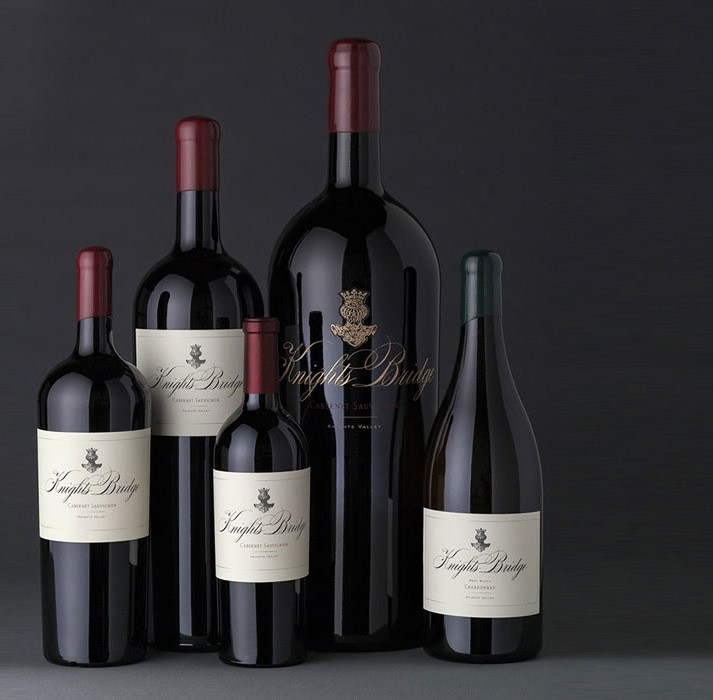
We tasted a number of lovely wines that evening, way too many to name but we came back to names like Lambert Bridge, Ehret and Knights Bridge with Sawyer pointing out our last two and others of the tasting are either located in our purchase grapes from the growing region of Knights Valley with its unique soils, warm days and breeze cool nights, famous for robust, structured Cabernet Sauvignon, along with Merlot, Cabernet Franc, Malbec, and Petit Verdot. We discovered KV many years ago on one of our trips and found it unique and happy to be reminded of it and we need to get back there soon. We really liked the Knights Bridge Blend. Sawyer stated, “The best Merlots are coming from the back side of Knights Valley.”
I figured out some years ago that Merlot rounds off the square shoulders of Cabernet

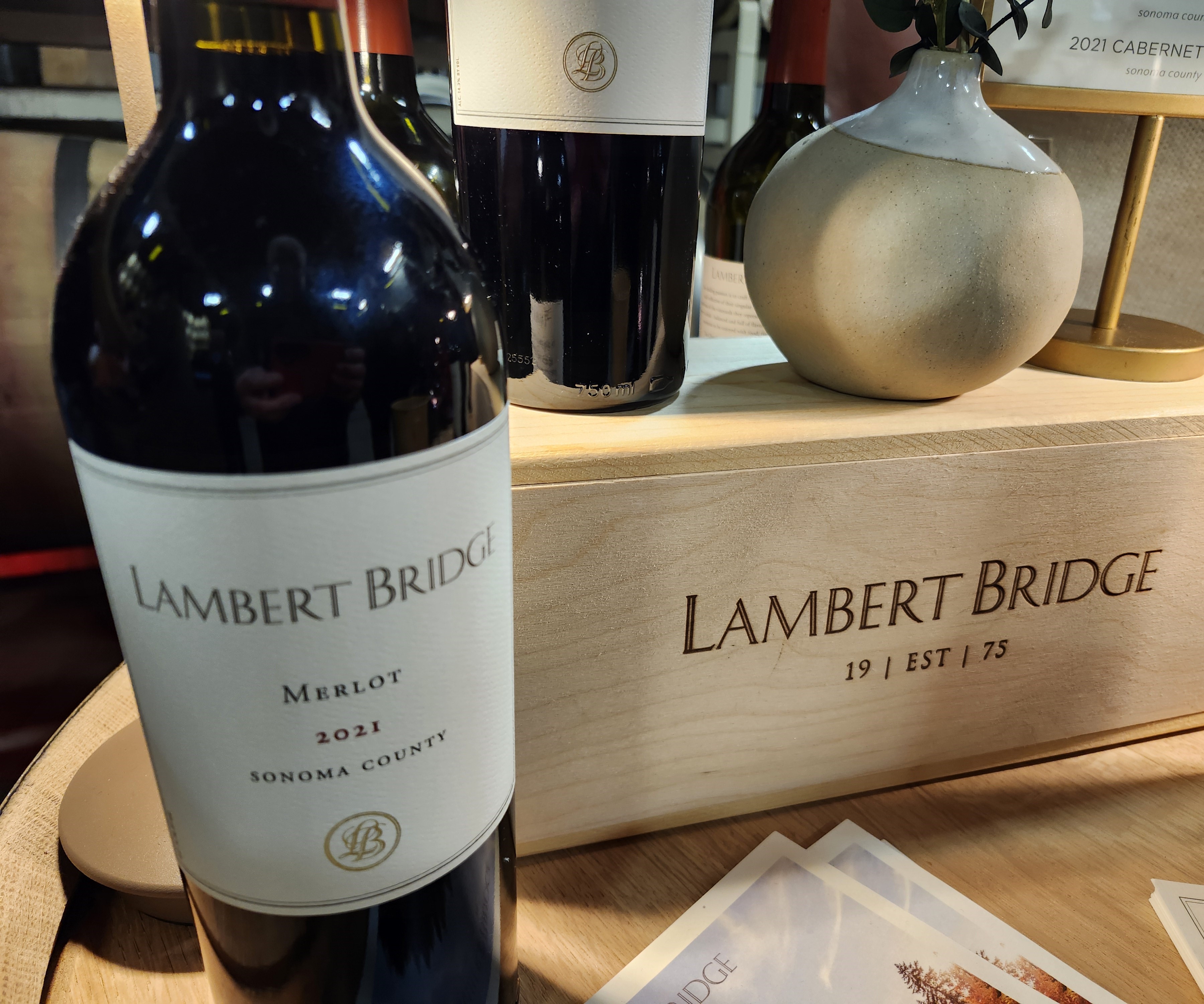
“I like the softness, the seductiveness, and the color of Merlot and the fact that it goes with a lot of different foods, it isn’t so bold (as Cabernet) and doesn’t need to age so long, and it has this velvety texture to it.”
The words of “Mr. Merlot”, the late Dan Duckhorn owner and wine maker of Duckhorn Vineyards who passed this fourth week of February.
The ZinEx annual tasting event was held at the Copia Center in downtown Napa CA. – of course we were there and tasted some of our favorites as well as wines from labels that were new to us.
Rebecca Robinson, is the Executive Director of ZAP, Zinfandel Advocates and Producers

“It was exciting and thrilling to bring together the Zinfandel community as the event had a special feel – it was our 35th anniversary,” Robinson stated, and the wineries weren’t shy about bringing older vintages and bigger bottles as part of the celebration. We had a great mix of wineries from regions throughout the state as well as some new wineries who have never poured with us before,” she happily offered.
I decided to see what would happen if I simply mentioned the name of a winery we had enjoyed and waited for Robinson’s response;
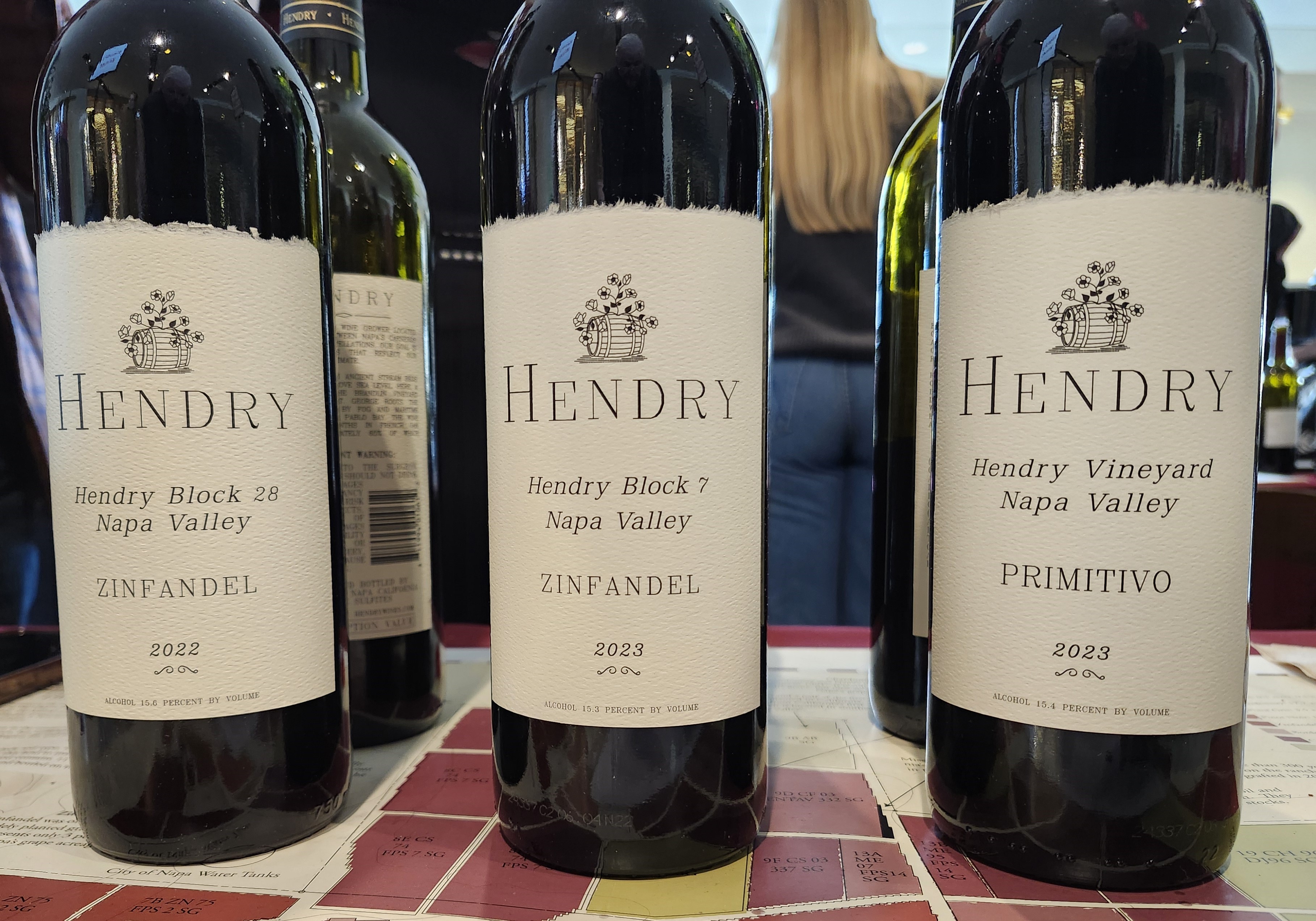
“Hendry has such a great history in Napa Valley where there isn’t a whole lot of Zinfandel planted anymore but George Hendry has a long-term commitment to Zinfandel and it’s a wonderful, quality winery continuing on with his legacy, she stated.
We tasted the Christopher Creek wines for the first time and discovered that they are only a few miles north of us in Healdsburg and neighbors to Zin producers, Limerick Lane.
Dominic Foppoli is the owner who was along- side his winemaker Giuseppe Burruano who is Italian and splits his time between Sonoma and Italy where they were both on their way back to after the event.
“Christopher Creek is new to our tasting this year and we were excited to have them as Zinfandel newbies from the Russian River region” Robinson smiled.
“I’m really, really, excited to have Ravenswood back as a brand and many thanks to the folks at Gallo who didn’t want to lose their legacy in California Zinfandel and felt that there still was a tremendous story to be told of the Ravenswood Zinfandels,” she commented.
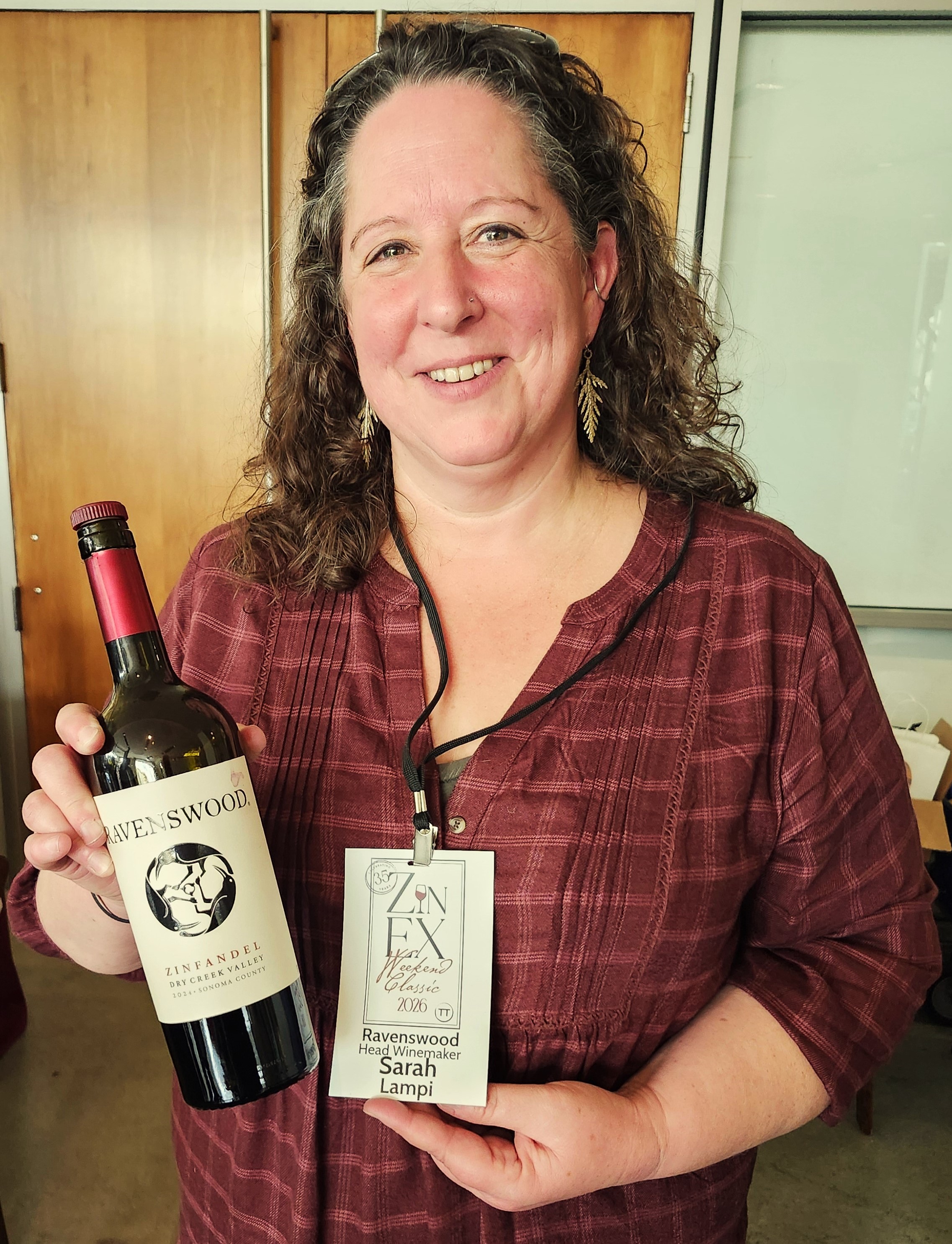
“The fact that Gallo is making the commitment to bring back the quality of Ravenswood wines is really tremendous and they went back to the right resource using Joel Peterson (the original founder and wine maker of what was one of our favorite brands) as a guiding light to get Ravenswood back up and running, we couldn’t be happier that they are part of Zap”, she stated emphatically.
The wine is back in a very limited basis in California and two east coast regions but I’m told that they are slowing ramping up production but are being very careful about how it’s done to make sure that there’s no impact to wine quality in any way.
As an exclamation point Robinson added, “I really want to stress the value proposition of drinking Zinfandel as being unmatched. The value of what you get in a well-priced bottle of Zinfandel and the chance to taste all of those beautiful characteristics in the wine that matches with so many different types of foods is really unmatched. Whether you’re enjoying a steak off the grill or you’re at a pizza or pasta party, Zinfandel is absolutely the perfect match.”
You all should know by now that I‘m a big Zin fan.
Half a Glass
McDonald’s Plans to Win in Beef, Chicken and Beverages
Less than a year ago, McDonald’s created a “Restaurant Experience Team” to bring ideas to restaurants faster. The chain established three new category management teams focused on beef, chicken, and beverages/desserts.
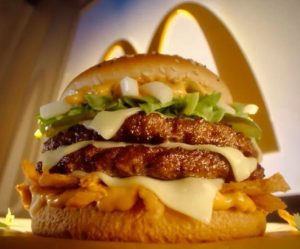 The brand continues to roll out its so-called “Best Burgers” that include new, softer buns, more sauce on the signature Big Mac, and tweaks to the cooking process to yield a more consistent sear and meltier cheese.
The company’s Big Arch pilot also continues and is showing “strong traction across several markets,” The Big Arch is a 14-ounce burger with two beef patties, melted cheese, onions, pickles, lettuce, and a tangy McDonald’s sauce, meeting consumer demand for a “bigger, more satiating” burger.
I bet Greg Basie likes a “satiating” burger
McDonald’s really began sharpening its focus on beverages when chief executive officer Chris Kempczinski told analysts at the company’s Investor Day that the global category represents an opportunity of more than $100 billion in sales.
“The new beverage offerings drove higher average checks, including strong results from our Red Bull collaboration.”
As a global category, chicken is twice the size of beef and accelerating at a faster clip and as part of the company’s efforts to meet this demand McDonald’s is currently in the early stages of testing new flavor combinations and new ways of cooking, acknowledging various chicken tests at a few restaurants in the Chicago market. Those tests include a Deluxe Grilled Chicken Sandwich, BBQ Bacon Grilled Chicken Sandwich, bone-in wings, and a new McCrispy tender.
“We’re already pretty protein-forward with fish, chicken strips, Snack Wraps and sausage biscuits and we continue thinking about this in a couple of different time frames — what we can do today and how do we get ready for the future.”
Nation’s Restaurant News
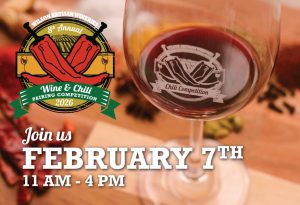
The Wilson Wine Family held their eighth annual tasting event that requires each of their wineries to produce a chili and match it with one of their wines with tasters (i.e. us) traveling from winery to winery to taste the chili and wine match and vote for their favorite, we visited five of the contenders; yes I know but someone has to do the heavy lifting.
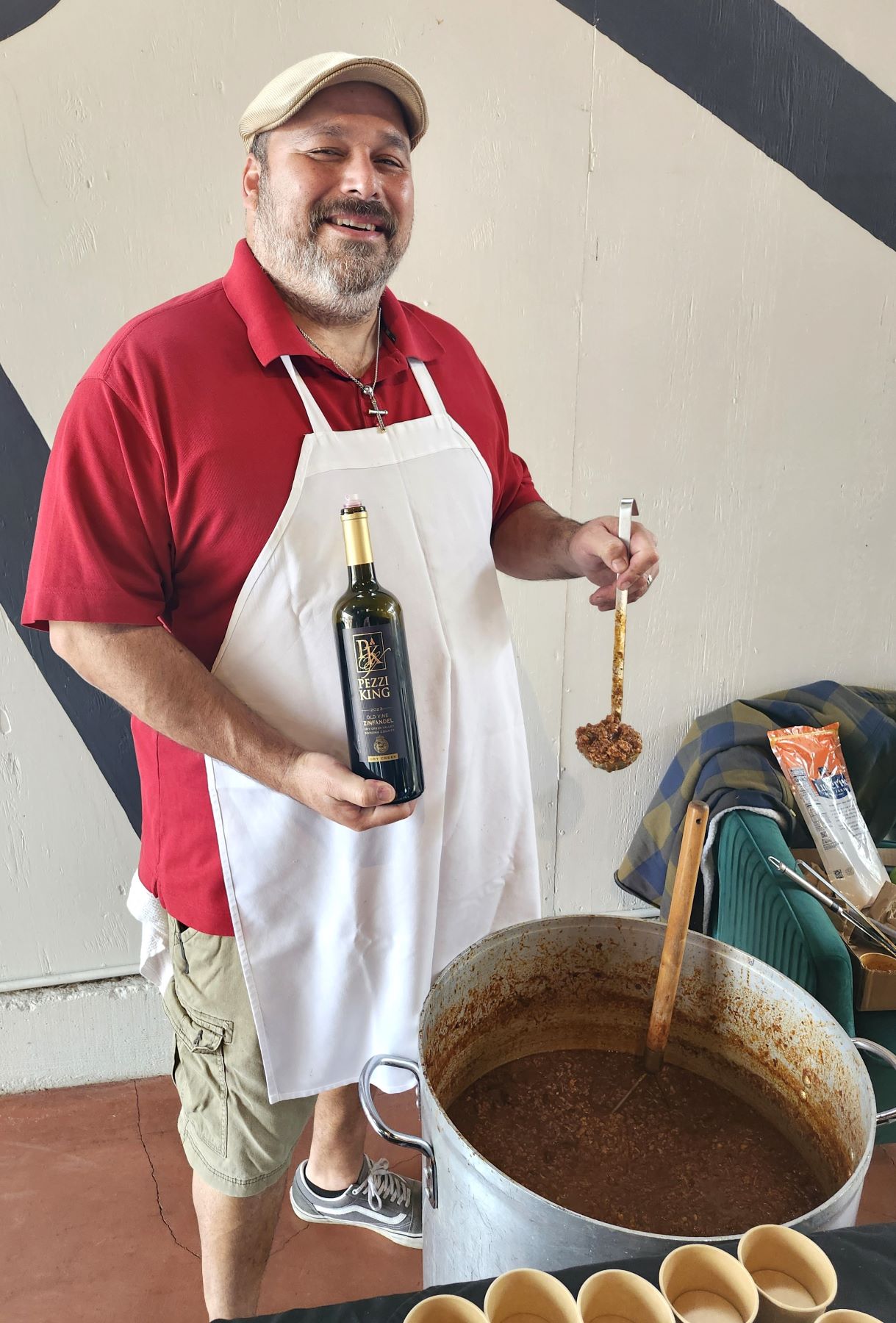
As both tasters and observers, we found some of the wineries to be all involved and a few just doing it because they were told they had too it seemed.
Our first taste was at a wine favorite, Mazzocco who put on a nice show and offered a “welcome red” Zin and a matching red Zin for the chili that was pretty good but we both thought that the “welcome red” would have been a much better paring.
One must keep in mind that each of the chilies were being judged as how well they matched with the wine from that winery so we again were surprised some of the chilies were tasty but the wine didn’t match well, like no one in the place had thought to try the combo when they were putting it together.
We selected Pezzi King as our best chili, wine and wine and chili match, they also won “best chili” in last year’s event.
Of course I talked to the chef who claims that he just does this for fun and doesn’t own a restaurant or do catering.
Words at the End
We love that something we created is known globally and inevitably draws visitors into its orbit. Chicago pizza restaurant owner
If there’s one area where restaurants routinely outpace home wine enjoyment, it’s in the basics: proper glassware and serving temperature.
In great restaurants, someone considers those details. At home, we tend to treat wine like it will politely adapt to our kitchen temperature – It will not! Food & Wine
No one, for the most part, is building (wineries) anymore. They’re downsizing, selling, closing. And that’s likely to continue until the industry itself contracts as much as consumer demand has. San Francisco Chronicle
Food without wine is a corpse; wine without food is a ghost; united and well matched they are as body and soul, living partners. Celebrated French/English wine and food writer – Andre Simon (1877-1970)
That’s my Whine and I could be wrong…
A recipe for – Cacio E Pepe – Cheese & Pepper Pasta and a recipe for Pesto Alla Genovese are in fact right here. Enjoy!
Woody Mosgers, cooks, custom caters, writes, drinks, matches wine and food and offers wine country tour information and planning in Santa Rosa Sonoma, CA.