Chardonnay and Pinot Noir at Pour + Explore, Zin looking Good, Change Coming to Napa, and a Decent pour in “Half a Glass” and More! In This Edition of Woody’s Whine!
By Woody Mosgers
woodywine@aol.com
Writing from the edge of the Russian River in Sonoma County
“I like the “Whine” because it’s about good food and drink and has interesting tidbits.” –MarMar
Pour + Explore Sparkling at Gloria Ferrer
“It was our first ever second annual sparkling wine event” exclaimed Chris Sawyer who conceived and promoted the event along with the Sonoma County Vintner’s Association. The Gloria Ferrer folks told me that they wanted to host the event again in 2026 as it, “turned out to be a lovefest for sparkling wine”.
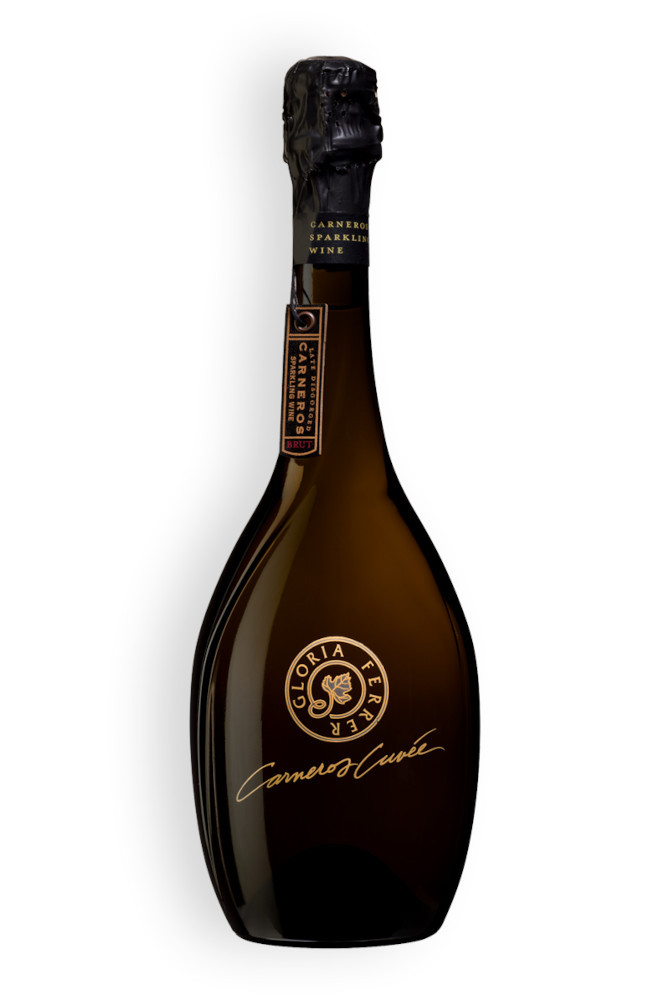
Sawyer offered that well known Lambert Bridge winery poured a sparkling wine for the first time and it was a big hit as people were amazed at how good it was and of course there were some of the oldies but goodies too, longtime favorite Iron Horse and of course the host winery Gloria Ferrer who went out of their way to pour some of their best high end wines as this was a showcase to reach people that may not be aware of the quality of what they do.
Breathless Sparkling wines were pouring as the featured retail brand of the Rack & Riddle private label sparkling producer who have done such a great job in promoting Sonoma County as being the largest producer of sparkling wine in the country.
On the day I spoke with Sawyer he shared that Emilie Eliason, Interim Executive Director of the Sonoma County Vintners had graciously just told him that this year’s events were the most successful ever and they not only wanted to do them again but wanted to start doing events on Fridays so people would not only attend but consider spending the entire weekend wine tasting in Sonoma County.
Sawyer offered that he would like to get restaurants involved so that “We could do a better job of food and wine matching”. It would be a step in the right direction.
He says it’s sort of a new syndrome, “If you have a chance to visit a place you’ve possibly never been to and to meet people that you didn’t
know made these wines and then have a good time doing it, why wouldn’t you?”
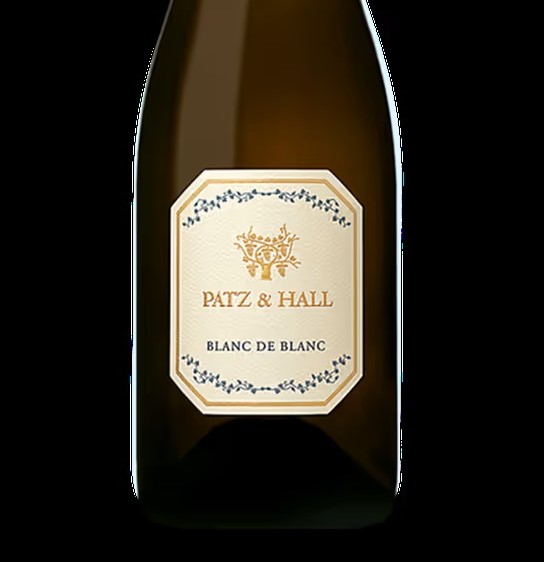
For example Patz and Hall turn out to be the best sparkling winemakers that nobody’s ever heard of due to their famous still wines.
Sawyer concluded, “The event was a terrific example of the diversity of what we can do using the super high quality grapes that we grow in Sonoma County. We’re already working on next year’s schedule, should be lots of fun”.
Is Veuve Clicquot Really That Good?
Veuve Clicquot, aka the yellow label, is the most recognizable champagne in the world. But is it the best asks Lettie Teague, wine writer of the Wall Street Journal.
Dec Photo VC label
It’s the champagne everyone knows, thanks to that yellow label. Some see it as the safe choice to give as a gift or bring to a party on account of its fame though others scorn it as strictly commercial stuff.
Teague asked four retailers for their suggestions to replace the VC and got some most interesting answers.
“A lot of people see it as the only option. It’s always in stock as too many customers would walk out if we didn’t have it available.”
One California wine retailer even placed a sign over the shelves where his VC is stocked that reads “More marketing then winemaking”, but it doesn’t deter shoppers; the sign seems invisible while the yellow label is blindingly bright.
A New York retailer says it’s just simpler sometimes to just hand the bottle to the customer as many will not budge from their choice.
Teague tasted several other wines in the same price range $55 to $65. Unfortunialy only one is widely available: The Louis Roederer Collection 244 Champagne – $58 has impressive depth and alluring creaminess.
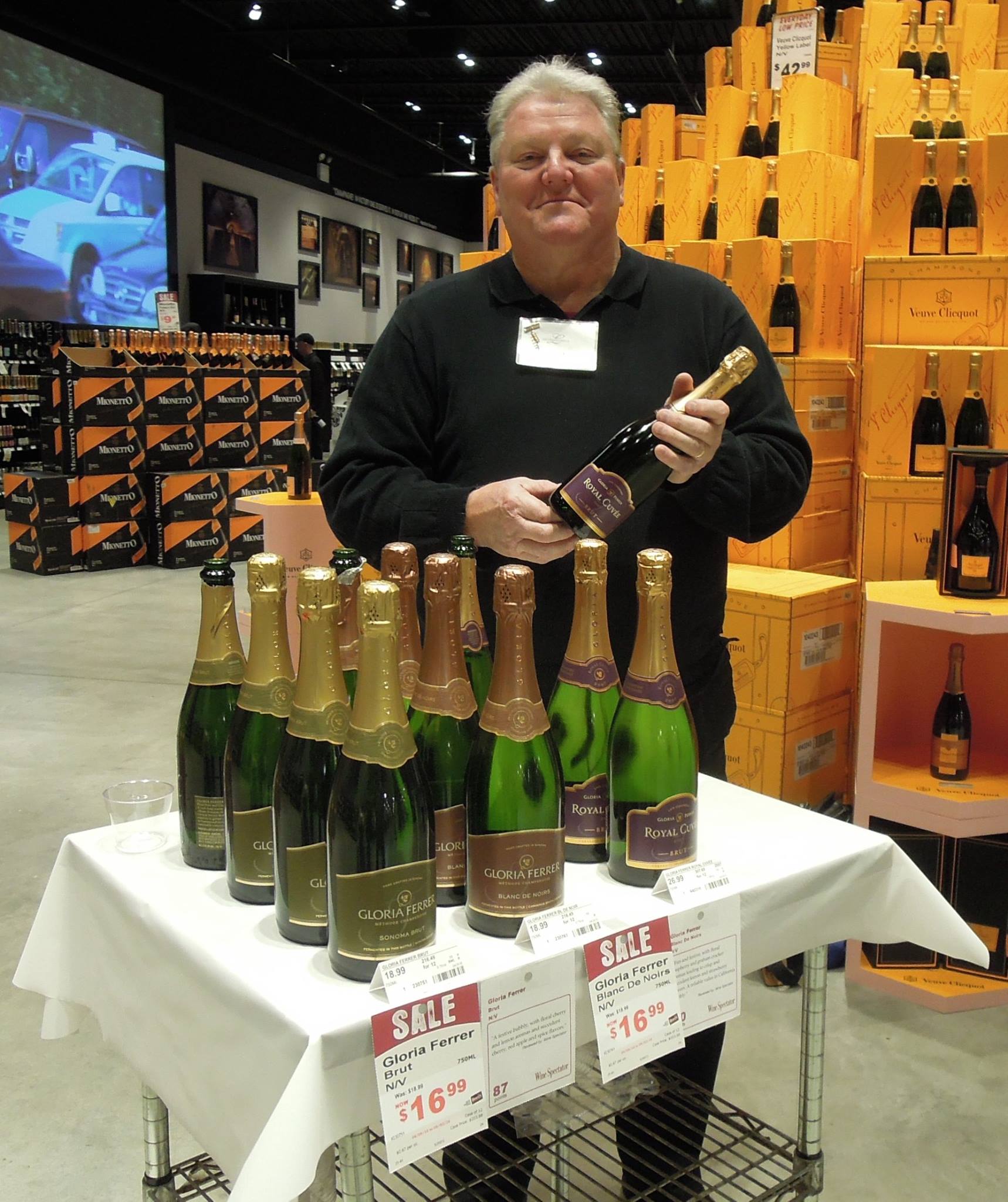
Teague was secretly hoping that the VC would turn out to be surprisingly good. Instead, she thought it was “rather forgettable” and while it wasn’t aggressively bad, “it was far from great, simple and rather diluted, more akin to a Cava than a famous champagne.”
Her final thought; while other Champagnes are a better value than VC there is no question it reigns supreme, it definitely has the most eye-catching label of any champagne.
I’ve always thought that there were better wines than VC out there but you can’t get away from the color of their label. I was doing a tasting probably 10,12, maybe 14 years ago at the big Binny’s up in the north side of Chicago and I wasn’t pouring VC and yet look at the display and how it impacts everything else in the room, you get the drift.
When California Wine Isn’t California Wine
According to the Gomberg Fredrikson Report, California wineries imported nearly 68 million gallons of foreign bulk wine in 2022—the equivalent of roughly 400,000 tons of grapes. In the same period, California growers estimate that hundreds of thousands of tons of domestic grapes went unharvested.
Between 2014 and 2023, California wineries decreased their annual purchases from independent growers by more than 500,000 tons and wine production fell by an annual average of 433,000 tons, a significant contraction for a state that depends heavily on independent farmers. In regions like Lodi—where 89% of grapes come from growers—the impact is immediate: unrenewed contracts, unpicked fruit, and heritage vineyards facing removal.
Domestic purchases fell and foreign bulk wine imports grew. By 2022, imports had reached the scale of a full additional Central Valley harvest.
A global wine oversupply means imported bulk wine lands in California at prices domestic growers cannot match. Chile, Australia, Italy, New Zealand—all have surplus and a labeling loopholes allow blending without disclosure.
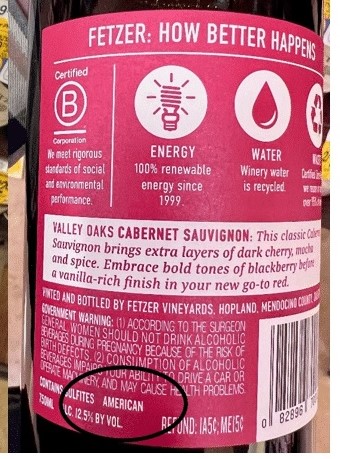
U.S. TTB regulations allow up to 25% of foreign wine in a blend labelled “American.”
Many California-branded wines contain foreign wine; disclosure is often subtle, sometimes nearly invisible. These rules have existed for decades. What’s new is the scale at which they are being used. California’s wine identity has always been tied to the premise that wine reflects where it is grown. For small and medium-sized producers, that remains non-negotiable. But for large producers—managing national retail SKUs (Stock Keeping Units)—the economics are different.
When imported wine can be blended into an “American” appellation without disclosure, origin becomes flexible. Flexibility becomes strategy. Strategy becomes habit.
The irony is sharpest on grocery shelves. Even in Lodi—the largest producer of Cabernet Sauvignon, Chardonnay, Sauvignon Blanc, Merlot, and Zinfandel in the United States—store shelves are stocked with “American” wines made partly or largely from imported bulk. Consumers think they are supporting local agriculture; often, they’re not.
California risks becoming a brand rather than a provenance, a geographic suggestion rather than an agricultural origin, creating a hinge moment; when economics reward imports, regulations permit quiet blending, and demand penalizes place-based agriculture, something fundamental begins to shift: the idea that California wine is grown in California.
Whether the industry chooses flexibility or provenance will determine the future of its growers—and perhaps the future meaning of “California wine” itself.
The Sommpour

Half a Glass
Canada Stuck with Millions in Unsold US Alcohol
As a result of the trade spat with the United States and President Trump’s imposition of punitive tariffs on Canadian goods, Canada has found itself with warehouses full of US alcohol removed from the country’s retail shelves in retaliation.
Only two Canadian provinces – Alberta and Saskatchewan – are still selling US booze and with most of the others operating state monopolies over alcohol sales, they have been left with the multi-million dollar headache of stocks purchased initially at the taxpayers’ expense.
Exports to Canada are down 85% since Trump acted in the spring.
The industry is pressurizing the White House so that in Swonger’s words, “our products can return to Canadian retail shelves as soon as possible,” but there is little sign of reconciliation on either side.
Talks were aborted by Trump in October after Ontario ran anti-tariff advertisements on US networks.
Ontario, for instance, is reported to be sitting on C$80m ($57.7m; £43.3m) of US alcohol it has withdrawn from public sale and has yet to decide what to do.
British Columbia reportedly is refusing to sell to the public but clearing the overload by selling to hospitality outlets.
Manitoba and Nova Scotia say they will sell their remaining stocks valued at about C$17.4 million and donate proceeds to local charities.
Nova Scotia Premier Tim Houston said the remaining inventory is being sold so that products don’t go to waste. The province, he said, would not be reordering.
Manitoba has also announced that it will sell off its US stocks for charity.
Ontario Finance Minister Peter Bethlenfalvy said the province has no plans to sell off its inventory of US alcohol, adding that less than C$2m worth will soon go out of date.
The implication is that Canada’s most populous province will sit on the bottles until the tariff war is resolved.
Drinks Business
Why Pasta Tastes Better at Restaurants
You nailed the sauce. You shelled out for the good Parmigiano-Reggiano. But still — your pasta just doesn’t hit the same as the rigatoni from your favorite trattoria. Why is that?
Use enough water (and salt)
Preparing pasta perfectly begins long before the sauce hits the pan. It starts with the boil. “Use plenty of water — about five quarts water per one pound pasta,” says David Joachim, who has a new cookbook out with Marc Vetri, The Pasta Book. “That gives the pasta lots of room to move, which helps prevent sticking. Keep the pasta moving as it cooks.”
And don’t be shy about salt. “Salt like you mean it, until the water tastes like the sea,” advises New York-based recipe developer Biba Clark. “Taste the water first — if it’s bland, your pasta will be too.”
Undercook on purpose
“Remove the pasta when it’s slightly undercooked and still a bit chewy,” Joachim suggests. “That way, the noodles can finish cooking in the pan.” This finishing step allows the starches to bond with the sauce, enhancing both texture and flavor.
Jodi Moreno, author of More with Less, agrees. “Allowing pasta to finish cooking in the sauce, along with some of the pasta water, is what will get the sauce to really stick to the pasta,” she says.
Pasta water is your MVP
Pasta water is liquid gold. The starch in the water acts as a natural thickener and binder, helping sauce cling rather than slide off. It also balances richness and enhances flavor. “A ladle or two of that starchy goodness brings everything together. It loosens sauces that are too thick, helps tight sauces hug the pasta, and gives that gorgeous, silky finish,” says Clark.
“Use butter, lots of butter,” urges Joachim. This finishing fat isn’t just about richness — it smooths, binds, and amplifies what’s in your bowl. Dec 8 Photo pasta
“Restaurant chefs don’t just dump the pasta on a plate,” Joachim explains. “They twirl the pasta into a mound with tongs or a pasta fork.” For long pasta, twirl a full portion onto tongs, like you would for one big bite, and then lower it onto the plate and gently release. You’ll create a photo-worthy nest of pasta.
At the end of the day, it’s about rhythm, care, and a little chemistry.
Chianti Wines from Wine Spectator top 100 List
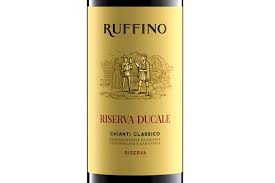
Chianti has a history of being buttonholed as a classic wine with Italian food and red sauce but I find that it is really in a middle ground with the fruit and structure that allows it to go with most any red meat or even chicken in a red sauce and it loves mushrooms.
Riserva is the top of the Chianti aging and rating scale.
Here are three very reasonably priced Chiantis that I found in the Spectator’s Top 100 list. These are bottles that you’ll often see on restaurant wine lists, of course with the house markup but still reasonable for a good wine
#17 Ruffino Chianti Classico Ducale Riserva 2021 93 points $25
#25 Carpineto Chianti Classico Riserva 2020 93 points $29
#31 Marchesi de’ Frescobaldi Chianti Rufina Nipozzano Riserva 2022
90 points $20
Thoughts at the End
The purpose of cooking is to make people happy and if you’re not having fun then what’s the point?
Thomas Keller – Chef/owner – The French Laundry Yountville, Napa CA.
That’s My Whine and I could me wrong…
Happy New Year!
My recipes for Potatoes Mashed with Manchego and Olive Oil and my Grilled Cheese for Grownups are in fact right here. Enjoy!
Woody Mosgers, cooks, custom caters, writes, drinks, matches wine and food and offers wine country tour information and planning in Santa Rosa Sonoma, CA.